Maritime Archaeology of Catalonia: Sunken Heritage, Virtual Reconstructions and a New Approach to Cultural Legacy
Along the Catalan coastline, centuries of maritime activity have left an extraordinary archaeological record beneath the Mediterranean Sea. From Roman merchant ships and medieval trading vessels to remains linked with modern navigation, underwater sites provide valuable evidence about trade, technology, and daily life across different historical periods. By 2026, Catalonia has become one of Spain’s leading regions for the preservation and study of submerged cultural heritage, combining scientific research, digital technologies, and public engagement to make underwater history more accessible.
The Importance of Underwater Cultural Heritage in Catalonia
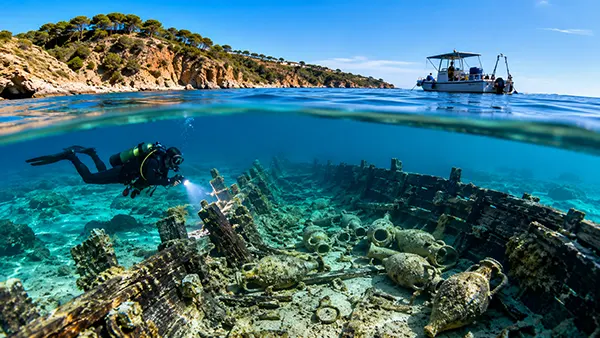
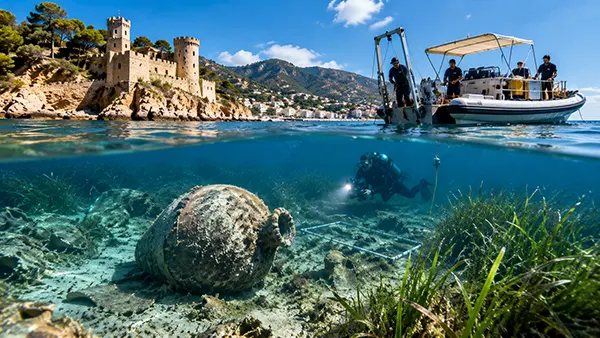
Catalonia’s coastline stretches for more than 500 kilometres and has served as a strategic maritime corridor since antiquity. Archaeologists have documented numerous shipwrecks and submerged structures near ports, bays, and former trading routes. Many of these sites contain cargoes, tools, ceramics, anchors, and shipbuilding elements that provide evidence of commercial exchanges between the Iberian Peninsula and other Mediterranean regions.
The protection of these remains has become increasingly important because underwater archaeological sites are vulnerable to environmental changes, illegal recovery activities, and accidental damage caused by maritime traffic. Regional authorities work closely with researchers and heritage institutions to identify, document, and preserve archaeological resources before they deteriorate.
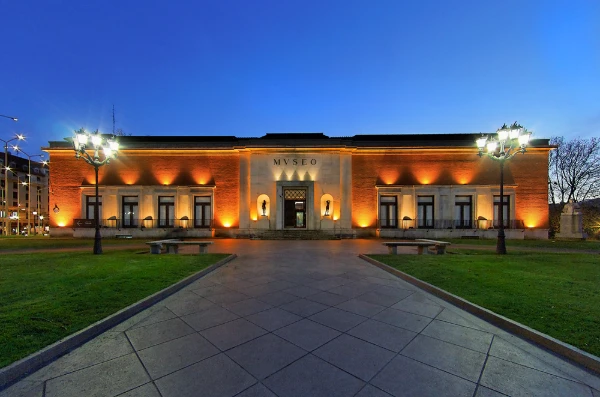
Interest in underwater heritage has also grown among the public. Museums, educational programmes, and research initiatives have helped demonstrate that archaeological remains beneath the sea are not isolated discoveries but part of a broader historical narrative connecting coastal communities with centuries of maritime development.
Major Archaeological Discoveries Along the Catalan Coast
Several notable shipwrecks discovered near Catalonia have expanded knowledge of ancient and medieval navigation. Roman-era vessels carrying amphorae, wine, olive oil, and other goods have provided evidence of extensive commercial networks operating across the Mediterranean basin.
Medieval wrecks have revealed information about ship construction techniques and regional trade patterns. Artefacts recovered from these sites often include ceramics, metal objects, navigation equipment, and personal belongings that offer insight into life aboard historic vessels.
Recent surveys using advanced sonar systems and remotely operated vehicles have enabled researchers to locate previously unknown sites at greater depths. These technologies allow specialists to investigate fragile remains while minimising physical intervention and reducing risks to archaeological integrity.
Digital Technologies and Virtual Reconstructions
One of the most significant developments in maritime archaeology during recent years has been the adoption of digital documentation methods. High-resolution photogrammetry, laser scanning, and three-dimensional modelling allow archaeologists to create accurate digital representations of underwater sites without disturbing the original remains.
These digital records support scientific analysis by enabling researchers to examine vessel structures, cargo arrangements, and site formation processes in greater detail. Measurements can be taken directly from virtual models, reducing the need for repeated fieldwork and improving long-term preservation strategies.
Digital reconstruction projects have also transformed public access to archaeological information. Instead of relying solely on museum displays, visitors can now interact with immersive visualisations that recreate historical ships and underwater landscapes with remarkable accuracy.
How Virtual Heritage Expands Public Access
Virtual reconstructions make it possible for people to explore archaeological sites that would otherwise remain inaccessible. Many underwater locations are situated at depths unsuitable for recreational diving, while others require strict conservation measures that limit physical visits.
Interactive exhibitions, augmented reality applications, and online visualisations enable audiences to examine shipwrecks from multiple perspectives. Users can observe reconstructed cargoes, understand excavation processes, and follow the historical journeys of vessels across the Mediterranean.
Educational institutions have also adopted digital heritage resources as teaching tools. Students can engage with archaeological evidence through realistic visual models, helping them understand historical contexts and scientific methodologies without leaving the classroom.
A New Heritage Management Model for the Future
Spain’s approach to underwater cultural heritage has received international attention for combining conservation, research, and public education. UNESCO highlighted Spanish practices related to underwater heritage management in 2025, recognising efforts to protect archaeological resources while encouraging responsible public engagement.
In Catalonia, this approach emphasises collaboration between archaeologists, conservation specialists, government agencies, universities, and local communities. Rather than treating archaeological discoveries as isolated scientific assets, heritage managers increasingly view them as cultural resources that can contribute to education and historical awareness.
The integration of digital documentation, monitoring technologies, and international conservation standards has strengthened the region’s capacity to safeguard underwater sites for future generations. This framework is becoming increasingly important as climate-related pressures and coastal development continue to affect maritime environments.
The Future of Maritime Archaeology in Catalonia
Future research is expected to focus on deeper offshore areas that remain largely unexplored. Advances in autonomous underwater vehicles, artificial intelligence-assisted mapping, and marine survey technologies are likely to reveal new archaeological sites in the coming years.
At the same time, digital preservation will continue to play a central role. Detailed virtual archives can ensure that information remains available even if physical remains become damaged by natural processes or environmental change.
Maritime archaeology in Catalonia demonstrates how modern technology and heritage protection can work together. By combining scientific investigation, virtual reconstruction, and public participation, the region has established a model that preserves underwater history while making it relevant and accessible in the twenty-first century.