Setenil de las Bodegas: how a town beneath the rocks became one of Andalusia’s most unusual places
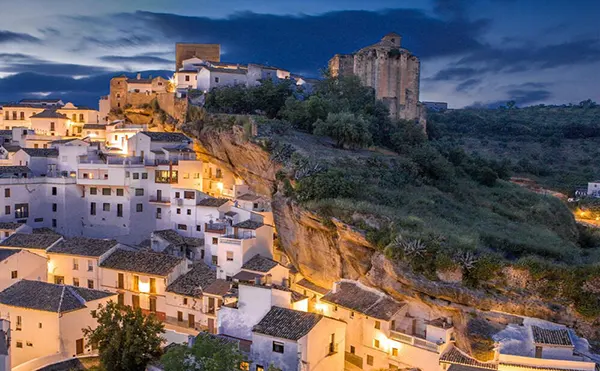
Setenil de las Bodegas is often mentioned among the most distinctive settlements in southern Spain, yet its uniqueness is not the result of modern design or tourism trends. The town developed around a practical response to geography: instead of building against the cliffs, residents built directly into them. This approach created a landscape where streets pass under massive rock overhangs and homes seem partially carved out of the earth itself. By 2026, Setenil remains both a lived-in community and a cultural landmark, balancing everyday life with steady visitor interest.
Geography and Origins: Why Setenil Developed Under the Rocks
The location of Setenil de las Bodegas in the province of Cádiz played a decisive role in shaping its architecture. The Río Trejo carved a deep canyon through limestone over thousands of years, leaving behind natural rock shelters. Early inhabitants recognised the advantages of these formations: protection from extreme summer heat and winter winds, as well as natural structural support for buildings.
The town’s name reflects its historical context. “Setenil” is believed to derive from the Latin phrase “septem nihil,” referring to the seven attempts required by Christian forces to capture the settlement from Moorish rule during the Reconquista. The addition “de las Bodegas” points to the long-standing tradition of wine storage and production, as the cool rock interiors were ideal for preserving barrels.
Unlike many Andalusian towns that expanded outward, Setenil grew organically along the riverbed. Houses were integrated into the rock rather than constructed separately, reducing the need for building materials. This method was not aesthetic experimentation but a logical adaptation to available resources and terrain.
Climate Adaptation and Practical Architecture
The rock formations act as natural insulation, maintaining relatively stable indoor temperatures throughout the year. In summer, when temperatures in Andalusia can exceed 35°C, interiors remain noticeably cooler. In winter, the same structures help retain warmth, reducing reliance on additional heating.
This efficiency explains why many of the original building techniques are still in use. While modern renovations have introduced updated utilities, the fundamental concept of combining masonry with natural rock remains unchanged. It is a rare example of architecture where nature forms part of the load-bearing structure.
By 2026, sustainability discussions often highlight Setenil as an early example of climate-conscious living, even though its origins were purely practical. The town demonstrates how traditional construction methods can align with modern environmental priorities.
Urban Layout and Daily Life in a Rock-Built Town
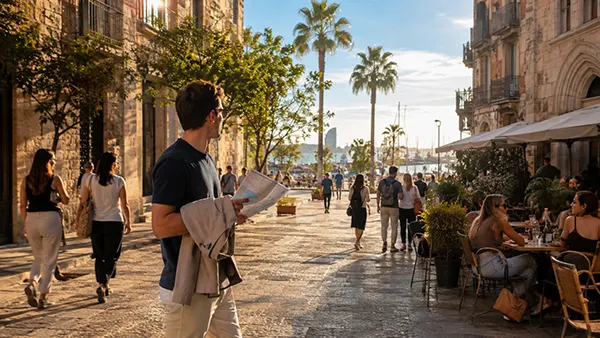
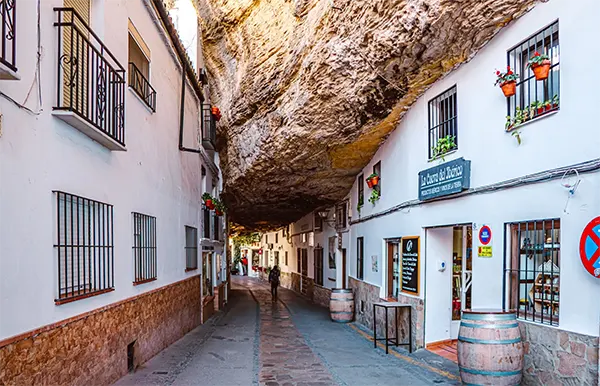
Walking through Setenil reveals a layout that differs significantly from typical Spanish towns. Streets such as Calle Cuevas del Sol and Calle Cuevas de la Sombra are partially covered by massive rock slabs, creating alternating zones of sunlight and shadow. This results in a dynamic urban environment where the natural landscape directly influences movement and visibility.
Despite its unusual appearance, Setenil is not a museum. It is home to a permanent population of around 2,700 residents. Daily life includes local shops, bakeries, and cafés operating within rock-supported buildings. The integration of tourism has not displaced local routines but rather supplemented them.
Infrastructure has been adapted carefully to preserve the town’s character. Roads remain narrow, and vehicle access is limited in certain areas. This encourages pedestrian movement and helps maintain the original scale of the settlement.
Tourism Management and Local Economy
Tourism has increased steadily over the past decade, particularly after widespread exposure through travel media and social platforms. By 2026, Setenil attracts both domestic and international visitors, especially those exploring Andalusia beyond major cities like Seville and Málaga.
Local authorities have introduced measures to manage visitor flow, including designated parking zones outside the historic centre and improved signage. These steps aim to reduce congestion while preserving the town’s structural integrity.
The local economy benefits from small-scale hospitality businesses rather than large commercial developments. Family-run restaurants, guesthouses, and artisanal shops dominate, maintaining a sense of continuity with the town’s past.
Cultural Identity and Preservation in Modern Times
Setenil’s cultural identity is closely tied to its architectural form. Festivals, gastronomy, and social gatherings often take place in spaces shaped by the surrounding rock. This creates a distinct atmosphere that differs from open plazas found elsewhere in Spain.
Traditional Andalusian cuisine remains central to the local experience. Dishes such as chorizo, cured meats, and regional cheeses are commonly served in establishments built into the cliffs. The use of natural cellars continues to influence food storage and preparation methods.
Preservation efforts have become more structured in recent years. Authorities and heritage organisations monitor construction and renovation projects to ensure they align with historical guidelines. This helps maintain authenticity while allowing for necessary modernisation.
Setenil in 2026: Balancing Heritage and Accessibility
As of 2026, Setenil de las Bodegas stands as an example of how small towns can maintain their identity while adapting to contemporary demands. Digital tools, such as online booking systems and multilingual information resources, have improved accessibility for international visitors.
At the same time, strict regulations limit large-scale development. This prevents over-commercialisation and ensures that the town retains its original character. The balance between accessibility and preservation is carefully managed.
Setenil’s continued relevance lies in its authenticity. It offers insight into how communities historically interacted with their environment, providing a reference point for modern discussions about sustainable living and architectural adaptation.