Architectural Transition Periods in Spain: Hybrid Structures Between Cultures
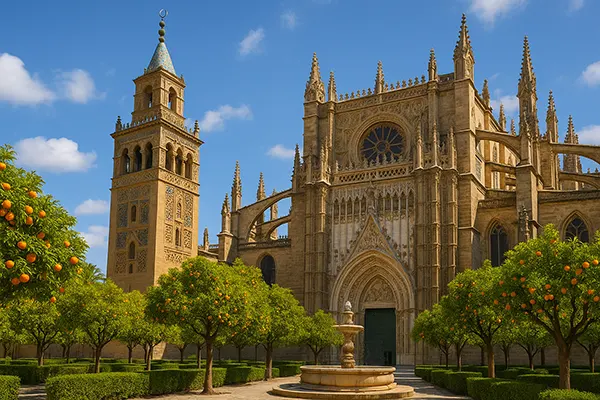
Spain’s architectural landscape illustrates centuries of cultural overlap, where Islamic, Christian, and regional traditions shaped buildings that cannot be attributed to a single style. Many of these structures were created during transition periods, when political and social shifts encouraged experimentation rather than strict adherence to a specific artistic canon. By examining these hybrid monuments, it becomes clearer how layered the country’s heritage truly is and why these sites remain valuable for specialists and travellers alike.
Mudéjar as a Cultural Bridge
The Mudéjar tradition represents one of Spain’s most significant transitional styles, appearing between the 12th and 16th centuries. Rather than replacing Islamic aesthetics after the Christian reconquest, local artisans adapted them, forming a distinctive blend of brickwork, glazed ceramics, and geometric ornamentation. This approach was not a mere continuation of Islamic design but an integration shaped by changing political realities and new patronage.
Regions such as Aragón, Castilla-La Mancha, and Andalusia preserve some lesser-known examples of Mudéjar craftsmanship. Small parish churches in Teruel, for instance, combine Gothic structural elements with minaret-inspired towers, creating a dialogue between two architectural traditions. These buildings reveal how communities negotiated identity during periods of cultural transition.
Many Mudéjar structures were built by Muslim craftsmen working under Christian rule, which allowed the survival of artisanal practices that might otherwise have disappeared. Their techniques influenced later architectural movements across the Iberian Peninsula, making Mudéjar not simply a transitional phase but a long-lasting cultural imprint.
Local Interpretations of Mudéjar Artistry
Although the Mudéjar style has shared characteristics, regional variations distinguish buildings from one area to another. In Toledo, for example, churches integrated horseshoe arches and wooden artesonado ceilings, demonstrating how Islamic carpentry survived under Christian patronage. These interiors remain some of the most technically complex in medieval Spain.
In contrast, rural Extremadura displays more modest interpretations using local stone and brick, where intricate ornamentation is limited but structural forms still reflect Islamic influence. These buildings illustrate how hybrid design could flourish outside major political centres, shaped instead by local resources and traditions.
Smaller towns in Aragón developed tower façades decorated with glazed ceramic tiles, creating vibrant surfaces that contrasted with the Gothic silhouettes beneath. These features show how local artisans redefined Christian architecture without abandoning their inherited visual language.
The Shift from Islamic to Renaissance Ideals
While Mudéjar represents a long transitional period, other monuments emerged during rapid cultural and artistic shifts following the fall of the Nasrid Kingdom in 1492. As Renaissance ideas spread from Italy, they interacted with existing Islamic structures, leading to buildings that incorporated classical principles while retaining decorative vocabulary from the previous era.
One of the clearest examples appears in Granada, where administrative buildings and private residences adopted Renaissance proportions yet preserved courtyards and spatial layouts common in Andalusi architecture. This combination created a unique urban character that did not fully conform to classical norms.
In some cases, Renaissance façades were added to earlier Islamic interiors, forming a deliberate contrast that reflected new political authority while preserving the technical superiority of Nasrid craftsmanship. Such combinations highlight the complexity of architectural adaptation rather than simple replacement.
Hybrid Palatial Designs in Southern Spain
Across Andalusia, several palatial structures illustrate how Renaissance ideals were adapted to suit climate, tradition, and existing craft practices. In Seville, for instance, patios retained their original function as climate regulators while façades adopted classical symmetry and new decorative programmes. These buildings served as symbols of emerging civic identity following regional political consolidation.
Granada’s lesser-known noble houses also combine Renaissance staircases, arcades, and plasterwork with elements that clearly derive from Nasrid traditions. Their interiors often include intricate stucco, wooden ceilings, and ornamental inscriptions repurposed for a Christian context.
Hybrid palaces show that Renaissance architecture in Spain did not simply follow Italian patterns but responded to centuries of Andalusi design, resulting in an architectural vocabulary that was at once progressive and deeply rooted in local heritage.
Religious Monuments with Multi-Layered Histories
Religious architecture often reflects the most pronounced cultural transitions, especially in regions where buildings were repurposed following political change. The transformation of mosques into churches, and later into cathedrals, created monuments that incorporate elements from several eras, preserving structural components even when decorative programmes were altered.
Smaller towns across Castilla y León and Valencia contain churches where former Islamic walls or foundations are still visible. These subtle remnants, often overlooked by casual visitors, offer valuable evidence of architectural continuity and adaptation.
Some structures demonstrate a chronological “stacking” effect: Roman foundations, Islamic courtyards, Gothic chapels, and Renaissance altarpieces co-existing within a single complex. Such monuments reveal the complexities of cultural transition in a way that more uniform buildings cannot.
Case Studies of Transitional Churches
A number of small parishes in Valencia preserve early medieval apses combined with reused Islamic columns, creating visual contrasts that document local history. These buildings show how communities reused available materials rather than demolishing earlier structures.
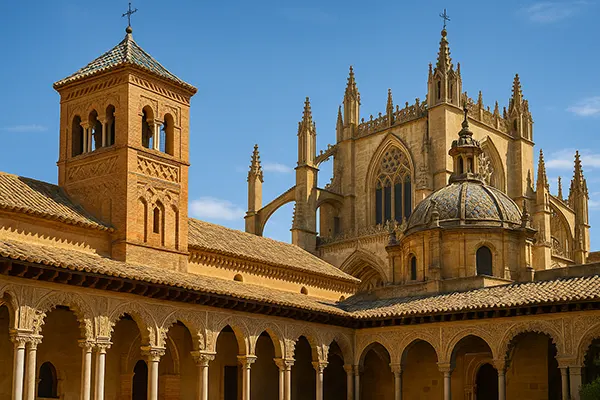
In Aragón, several churches retain Mudéjar bell towers integrated into otherwise Gothic bodies. Their symbolic role shifted, yet the original craftsmanship remained intact, illustrating how artisans navigated new religious requirements while respecting established architectural traditions.
In Castilla-La Mancha, interior renovations during the 16th century introduced Renaissance altarpieces while maintaining earlier spatial arrangements. These interiors demonstrate how stylistic evolution occurred gradually, producing layered monuments that can only be understood through close architectural analysis.